This is the heavyweight title fight of marathon super shoes. The Nike Alphafly 3 — the shoe that broke the 2-hour marathon barrier — against the Saucony Endorphin Elite, the lightest carbon super shoe on the market. Both represent the absolute pinnacle of running shoe technology. Both are designed for one purpose: making you faster at 42.2 km.
Research in Sports Medicine has consistently shown that carbon-plated super shoes improve running economy by 2.5-4.5%. At marathon distance, that translates to 5-10 minutes for a 3:30 runner. Both shoes deliver on that promise — but through fundamentally different engineering approaches.
The Alphafly maximizes cushioning and protection. The Endorphin Elite minimizes weight. Which approach wins the marathon?
The Shoes
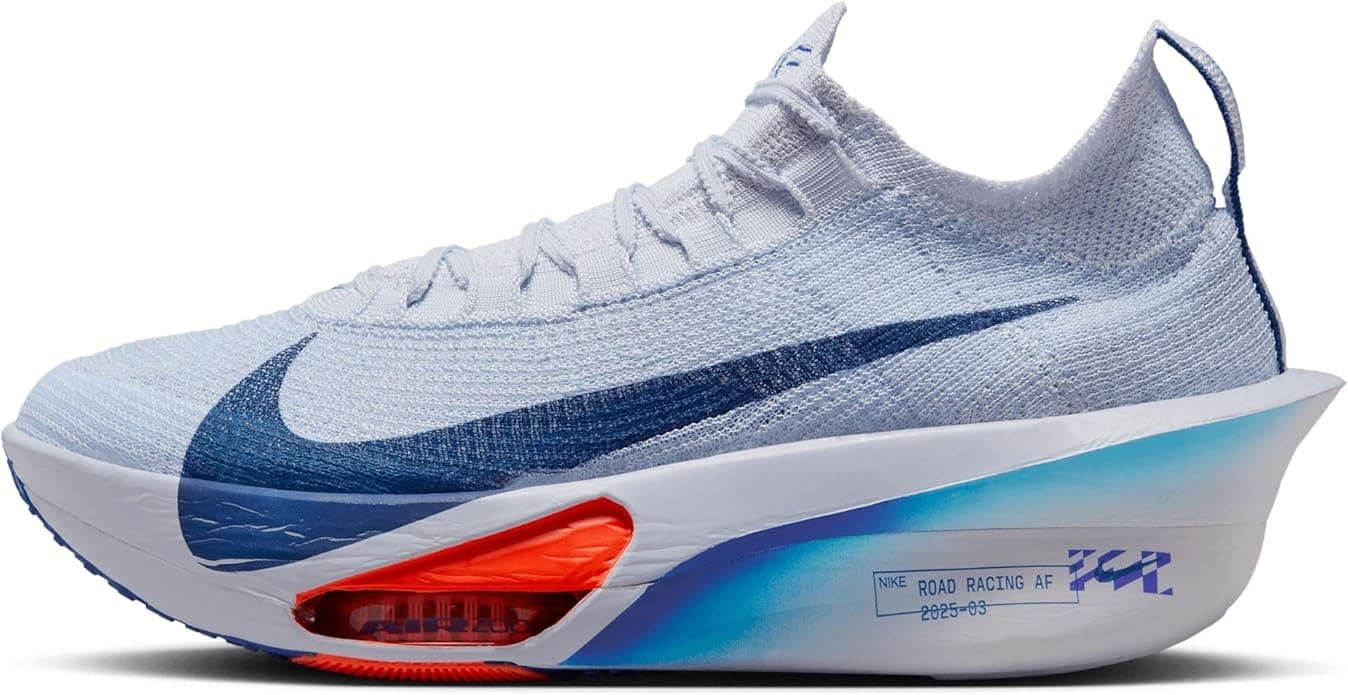
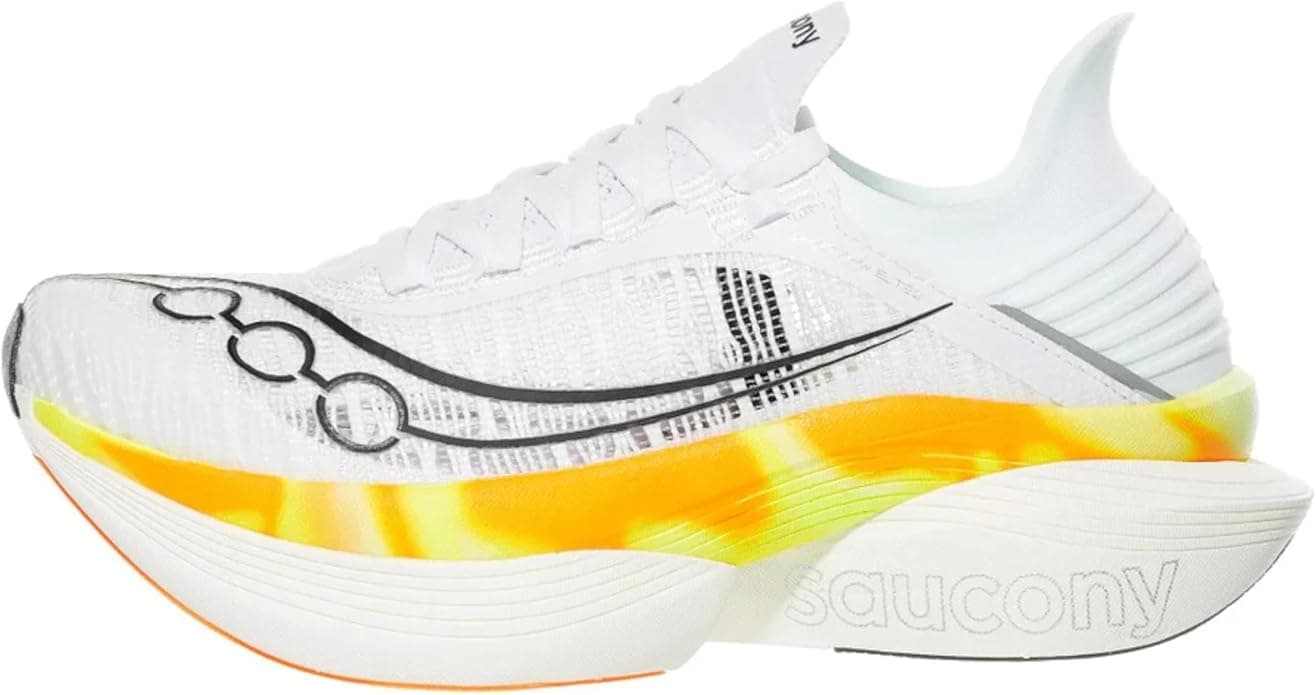
Spec Comparison
| Spec | Alphafly 3 | Endorphin Elite |
|---|---|---|
| Weight (Men's) | 207g | 204g |
| Drop | 4mm | 8mm |
| Stack Height | 40/36mm | 39/31mm |
| Plate | Carbon | Fluted Carbon |
| Midsole | ZoomX + Air Zoom | IncrediRun (dual-layer) |
| Price | $285 | $275 |
Midsole Technology: Two Different Philosophies
The Alphafly 3 uses a triple-layer system: ZoomX foam (the most responsive foam Nike has ever made), a full carbon plate, and dual Air Zoom pods embedded in the forefoot. This creates a uniquely bouncy, cushioned, and propulsive ride. The Air Zoom pods are the distinctive feature — they add a spring-like energy return that no other shoe replicates.
The Endorphin Elite uses dual-layer IncrediRun foam — Saucony's most advanced compound — combined with a fluted carbon plate designed for maximum energy return at race pace. The foam is exceptionally soft and bouncy, and the shoe becomes more responsive as you increase pace.
Both approaches deliver elite-level energy return. The Alphafly feels more cushioned and protective; the Elite feels snappier and more direct. It is the difference between a Cadillac and a sports car — both fast, different experiences.
The 4% revolution: The original Vaporfly study demonstrated a ~4% improvement in running economy from carbon-plated super shoes. Both the Alphafly and Endorphin Elite build on that foundation. Independent testing suggests both shoes deliver comparable improvements — the difference is in how that improvement feels underfoot.
Weight: Nearly Identical
At 207g vs 204g, the weight difference is just 3g — functionally irrelevant. Both shoes are featherweight for their technology level. Weight is not a deciding factor in this comparison.
Cushioning Over 42.2 km
This is where the Alphafly 3 has a clear advantage. The ZoomX foam provides generous base cushioning, but the Air Zoom pods add an extra layer of impact absorption that matters enormously over 42.2 km.
After km 30, when your muscles are depleted and your joints are absorbing thousands of additional footstrikes, the Alphafly's cushioning system continues to protect your legs. The Air Zoom pods do not compress or lose their bounce the way traditional foam can over extended distances.
The Endorphin Elite's IncrediRun foam is excellent — soft, responsive, and resilient. But it does not match the Alphafly's cushioning depth, particularly for heavier runners (over 70kg) in the final 12 km of a marathon.
Winner: Alphafly 3 — the most cushioned super shoe available, and cushioning is king at the marathon.
Energy Return and Speed
At race pace, both shoes are exceptionally fast. The Endorphin Elite's fluted carbon plate and dual-layer IncrediRun foam create a highly responsive ride that becomes more aggressive as pace increases. For runners who negative-split their marathons, the Elite rewards that strategy — the shoe literally feels faster as you speed up.
The Alphafly's energy return comes from its combination of ZoomX and Air Zoom pods. The bounce is more pronounced and can feel almost trampoline-like to some runners. At marathon pace, this translates to a feeling of being carried forward rather than actively pushing.
Both shoes are capable of sub-elite marathon performance. The Endorphin Elite may have a marginal edge for runners who increase pace in the second half; the Alphafly may be better for runners who start at pace and hold it.
Winner: Tie — both deliver elite-level speed, with slightly different pace-response profiles.
Late-Race Stability
After km 30 of a marathon, form deterioration is inevitable. Tired muscles and depleted proprioception mean your foot placement becomes less precise. A shoe that keeps you stable despite fatigued form can prevent costly slowdowns.
The Alphafly 3 has a higher stack (40mm) and softer foam, which can feel less stable when fatigue sets in. The Air Zoom pods also create a less uniform platform. Some runners report a "tippy" feeling in late-race km.
The Endorphin Elite has a lower stack (39mm) and a broader base. The firmer feel of the IncrediRun foam compared to ZoomX provides a more predictable footstrike even when your form is degraded. For runners who struggle with late-race stability, the Elite is the safer choice.
Winner: Endorphin Elite — more stable when fatigue degrades your form.
Drop and Biomechanics
The Alphafly's 4mm drop positions your foot closer to flat — promoting a midfoot or forefoot strike pattern. For runners who naturally land this way, it is ideal. For heel strikers, the low drop can feel unnatural and may cause calf fatigue over 42 km.
The Elite's 8mm drop is more traditional and accommodates a wider range of strike patterns. Most recreational runners will find the 8mm drop more comfortable and familiar.
Critical consideration: If you are accustomed to shoes with 8-10mm drop, switching to the Alphafly's 4mm drop requires adaptation. Do NOT race a marathon in the Alphafly without at least 3-4 long training runs (25+ km) to adapt your calves and Achilles tendons.
Durability and Value
| Factor | Alphafly 3 | Endorphin Elite |
|---|---|---|
| Price | $285 | $275 |
| Expected lifespan | 150-200 km | 150-200 km |
| Cost per marathon | ~$60-$80 | ~$58-$77 |
Both shoes are race-day-only tools with similar lifespans. The $10 price difference is negligible. Value is essentially identical.
Winner: Tie
Who Should Choose What?
Choose the Alphafly 3 if:
- Maximum cushioning and leg protection are your top priorities
- You weigh over 70kg and need the Air Zoom pods' extra impact absorption
- You maintain pace rather than negative-split
- You are comfortable with a 4mm drop
- You want the shoe that broke the 2-hour barrier
Choose the Endorphin Elite if:
- You are a lighter runner (under 70kg) who does not need maximum cushioning
- You prefer a more responsive, snappier ride
- You negative-split your marathons and want a shoe that rewards acceleration
- You want better late-race stability
- You prefer a traditional 8mm drop
The Verdict
Key Takeaway
Both shoes are exceptional marathon racers, and choosing between them depends on your body weight, running style, and priorities. For runners over 70kg, the Alphafly 3 is the better choice — its unmatched cushioning system protects your legs through the critical final 12 km where marathons are decided. For lighter runners under 70kg who value responsiveness and stability, the Endorphin Elite is the superior option — its speed-tuned foam and more stable platform reward efficient runners with a faster, more controlled ride. Neither choice is wrong. Both deliver the running economy improvements that make super shoes worth the investment at 42.2 km.