The daily trainer is the most important shoe in any runner's rotation. It handles 80% of your weekly mileage — easy runs, recovery runs, and general aerobic sessions that form the foundation of marathon fitness. Get this shoe wrong, and your legs pay the price over hundreds of kilometres. Get it right, and every run feels sustainable.
The Nike Pegasus 42 and the Puma Deviate Nitro 4 are two of the most popular daily trainers on the market, but they occupy different positions on the spectrum. The Pegasus is the reliable, proven workhorse. The Nitro 4 is the more performance-oriented option with features that bridge the gap between trainer and racer.
The Shoes
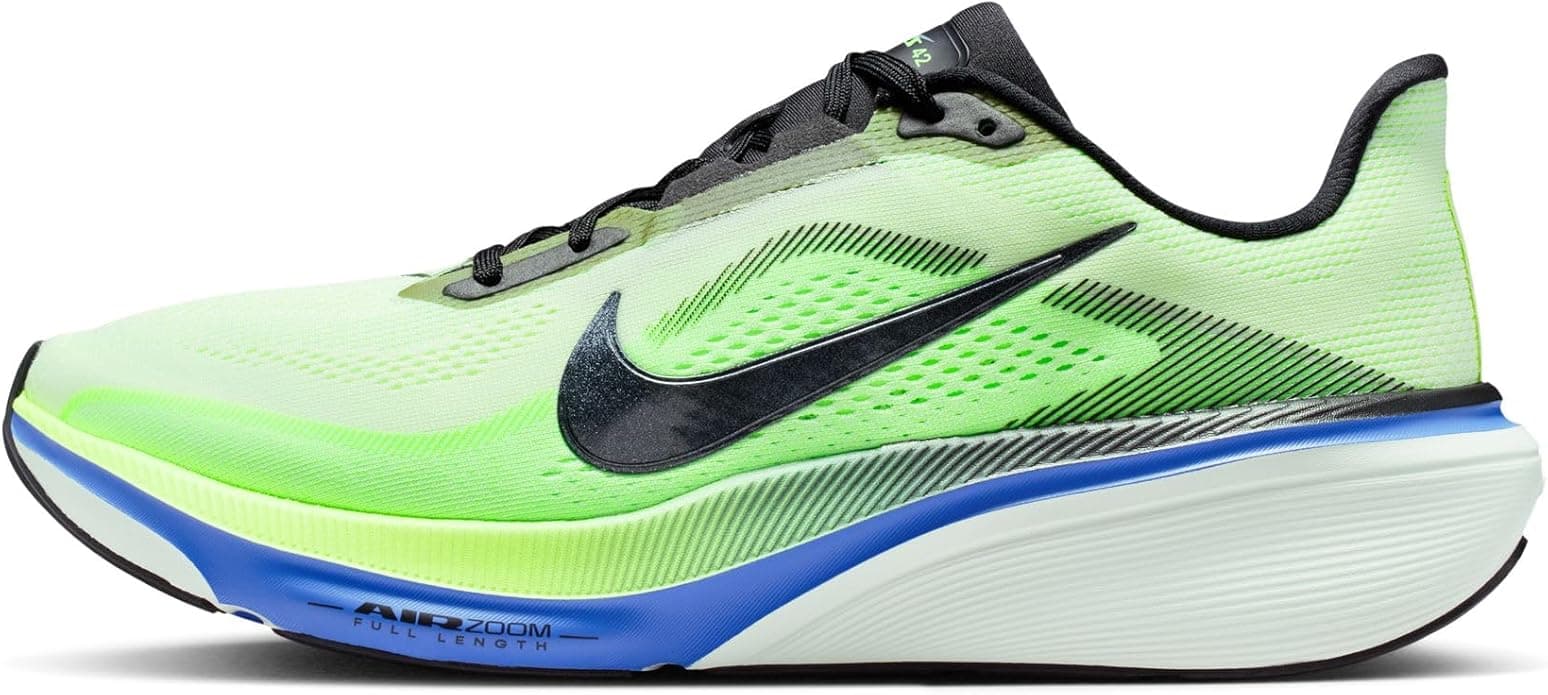
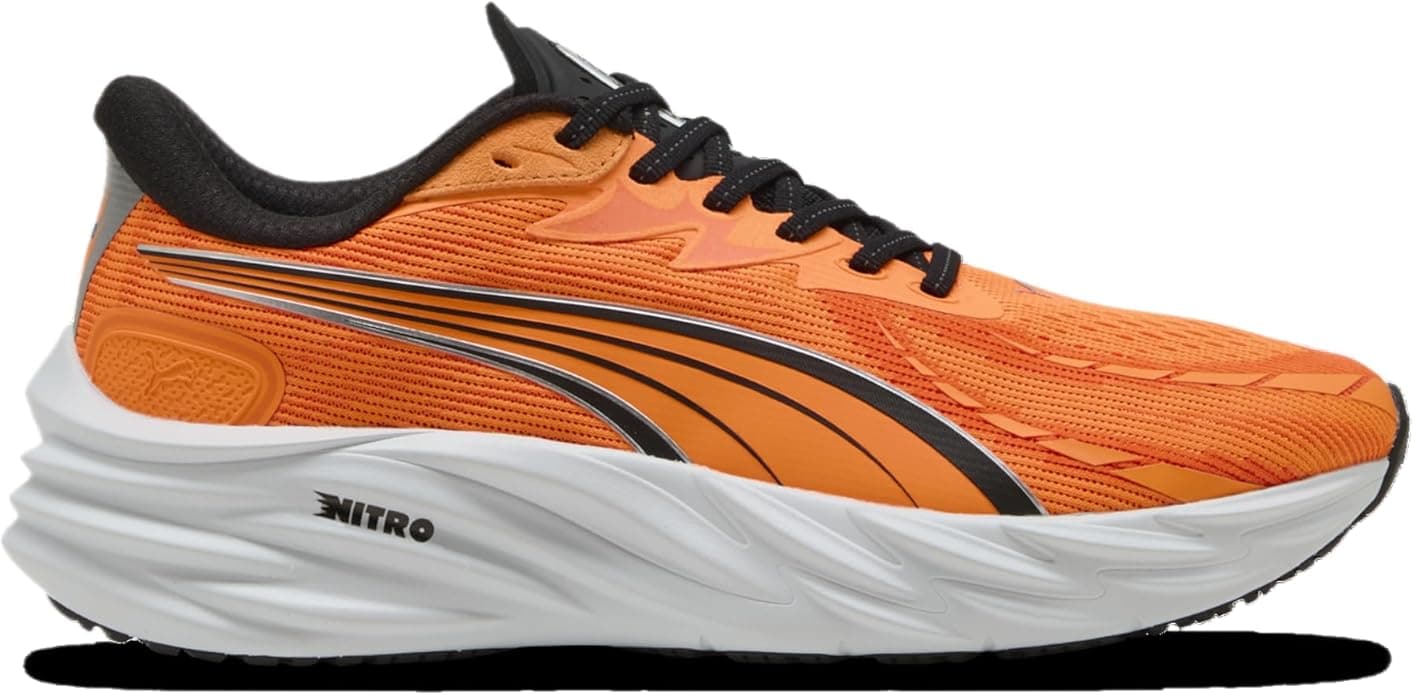
Spec Comparison
| Spec | Nike Pegasus 42 | Puma Deviate Nitro 4 |
|---|---|---|
| Weight (Men's) | 270g | 245g |
| Drop | 10mm | 8mm |
| Stack Height | 36/26mm | 35/27mm |
| Plate | None | None |
| Midsole | ReactX + Air Zoom | NITROFOAM |
| Price | $140 | $160 |
Cushioning: Different Approaches to Comfort
The Pegasus 42 combines ReactX foam — Nike's most efficient foam for daily training — with an Air Zoom unit in the forefoot. The ReactX provides a smooth, consistent cushioned ride that works across all paces. The Air Zoom unit adds a subtle spring in the forefoot that makes the shoe feel slightly more responsive without being bouncy.
The Nitro 4 uses PUMA's NITROFOAM, a nitrogen-infused foam that provides cushioning with a lighter overall feel. The foam is slightly firmer than ReactX, which translates to a more responsive, less plush ride.
For easy and recovery runs — the primary job of a daily trainer — the Pegasus 42 provides a softer, more protective ride. For runners who want their daily trainer to double as a tempo shoe, the Nitro 4's firmer foam provides more feedback at faster paces.
The daily trainer job: Research consistently shows that approximately 80% of running should be at easy pace. Your daily trainer spends most of its life at conversational pace — so cushioning and comfort at slow speeds matter more than responsiveness at race pace.
Weight: A Meaningful Difference
The Nitro 4 at 245g is 25g lighter than the Pegasus 42 at 270g. Over the course of a marathon training block with 60-100+ km per week, this weight difference is perceptible. Lighter shoes reduce the energy cost of each stride — a factor that compounds over thousands of training kilometres.
Research suggests that every 100g of shoe weight costs approximately 1% in running economy. The 25g difference translates to roughly 0.25% — subtle but real over high-volume training.
Winner: Nitro 4 — meaningfully lighter for daily training.
Ride Quality for Long Runs
Both shoes can handle long runs, but they deliver different experiences.
The Pegasus 42 provides a consistently comfortable ride from km 1 to km 30+. The ReactX foam does not dramatically change character over distance — what you feel at the beginning is what you feel at the end. The Air Zoom unit adds just enough responsiveness to prevent the shoe from feeling dead during the final kilometres. It is a reliable, predictable long run companion.
The Nitro 4 is more responsive on long runs, but the firmer foam can feel less protective for heavier runners during extended efforts. Lighter runners (under 70kg) may prefer the Nitro 4's feedback; heavier runners may want the Pegasus's additional cushioning.
Winner: Pegasus 42 — more protective and comfortable for long-distance training, especially for runners over 70kg.
Versatility Across Training Sessions
A great daily trainer needs to handle more than just easy runs. Strides, fartleks, progression runs, and occasional tempo work are all part of marathon training.
The Nitro 4 excels across a wider range of paces. Its lighter weight and firmer foam provide genuine speed when you need it — strides feel snappy, tempo intervals feel controlled, and progression runs flow naturally. It is the more versatile training tool.
The Pegasus 42 handles faster paces adequately but is not as responsive as the Nitro 4 at threshold and tempo pace. The heavier weight and softer foam are optimised for easy running rather than speed work.
Winner: Nitro 4 — handles a wider range of training intensities.
Durability
Both shoes are built for high-volume training.
| Factor | Pegasus 42 | Nitro 4 |
|---|---|---|
| Expected lifespan | 600-800 km | 500-650 km |
| Outsole durability | Excellent | Good |
| Foam degradation | Very gradual | Gradual |
The Pegasus 42 has a slight durability advantage — the ReactX foam and robust outsole are engineered for maximum lifespan. For runners who put heavy mileage on their daily trainers, the Pegasus may last one to two months longer.
Winner: Pegasus 42 — slightly more durable.
Fit and Comfort
The Pegasus 42 fits true to size with a roomy toe box that accommodates foot swelling during long runs. The heel collar provides a secure, comfortable lockdown. The upper is well-ventilated without being flimsy. It is one of the most comfortable running shoes available out of the box.
The Nitro 4 has a slightly more performance-oriented fit — snugger through the midfoot with a more defined arch. The upper is breathable and lightweight. Some runners find the fit perfect; others with wider feet may need to go up half a size.
Winner: Pegasus 42 — more universally comfortable, particularly for wider feet.
Fit tip: If you are between sizes, go up half a size in both shoes. Your feet swell during long runs, and having adequate toe room prevents black toenails and blisters — two common marathon training problems.
Race Day Capability
Can you race a marathon in either shoe? Yes — runners set PBs in both.
The Nitro 4 is the stronger race-day option. Its lighter weight, firmer foam, and more responsive ride make it viable for race day, particularly for runners targeting 3:30-5:00+ who do not want to invest in a separate super shoe.
The Pegasus 42 works for race day but is heavier and less responsive. For first-time marathoners who want to race in a familiar shoe, it gets the job done — but it is not optimised for speed.
Winner: Nitro 4 — the better race-day backup option.
Value
| Factor | Pegasus 42 | Nitro 4 |
|---|---|---|
| Price | $140 | $160 |
| Expected lifespan | 600-800 km | 500-650 km |
| Cost per km | ~$0.18-$0.23 | ~$0.25-$0.32 |
The Pegasus 42 is $20 cheaper and lasts longer — a meaningful value advantage for runners who prioritize their training shoe budget.
Winner: Pegasus 42 — better value per kilometre.
Who Should Choose What?
Choose the Nike Pegasus 42 if:
- You want the most reliable, proven daily trainer available
- Maximum comfort and cushioning are your priorities
- You weigh over 75kg and need a softer ride
- Budget matters ($140 vs $160)
- You want maximum durability for high-mileage training
- You are a first-time marathoner
Choose the Puma Deviate Nitro 4 if:
- You want a lighter, more versatile trainer
- You need a shoe that handles easy runs AND tempo sessions
- You prefer a firmer, more responsive ride
- You weigh under 75kg
- You want one shoe for training that can also work on race day
- You want a more performance-oriented feel
The Verdict
Key Takeaway
Both shoes are excellent daily trainers, and the right choice depends on what you prioritise. The Nike Pegasus 42 is the safer, more comfortable pick — it is cheaper, more durable, more cushioned, and universally comfortable. It is the daily trainer that works for every runner. The Puma Deviate Nitro 4 is the more versatile pick — lighter, more responsive, and capable of handling faster workouts alongside easy runs. For pure daily training, the Pegasus 42 wins on value and comfort. For runners who want one shoe to handle everything from easy runs to tempo sessions, the Nitro 4 is the smarter choice.